
Week Two
Flow with Life: Embracing Change
Aparigraha & Trust
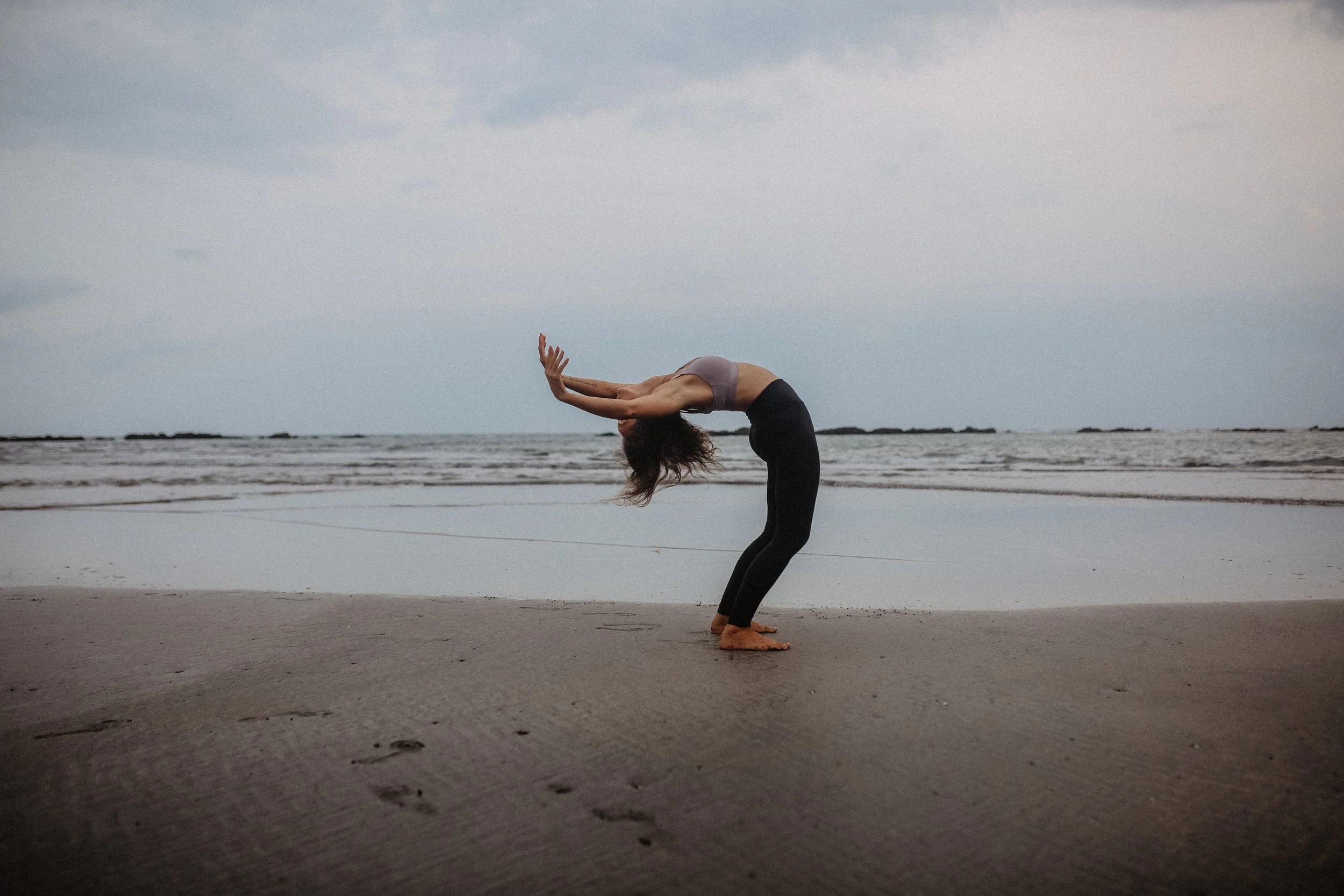
Learn to release control and trust the natural rhythms of life.
Aparigraha
Use your breath as an anchor, a steady reminder that you can move through life without clinging or gripping. Each inhale invites presence; each exhale teaches you how to release what no longer needs to be held.
Make time this week to go through some of your belongings. Choose your closet, one room, or your whole home. You can start small and gradually expand or return to this practice when you need it.
As you move through your belongings, let your breath guide the process of letting go. Practice non-attachment, recognizing that objects are not extensions of your identity. Trust that what is meant to support your life will remain, and what’s ready to be released will create space for something more aligned. Donate what others can use. Recycle. Throw away. Make space. And intentionally keep only what serves you and lights you up.
Gently turn this same awareness toward your relationships. Reflect on your response if a friendship shifted, a romance ended, or a loved one passed. Without judgment, notice where you might be grasping.
This inquiry isn’t meant to provoke fear, but to cultivate a deeper trust, trust in yourself, trust in the ebb and flow of connection, and trust that peace is possible even as life changes around you.
Ritual
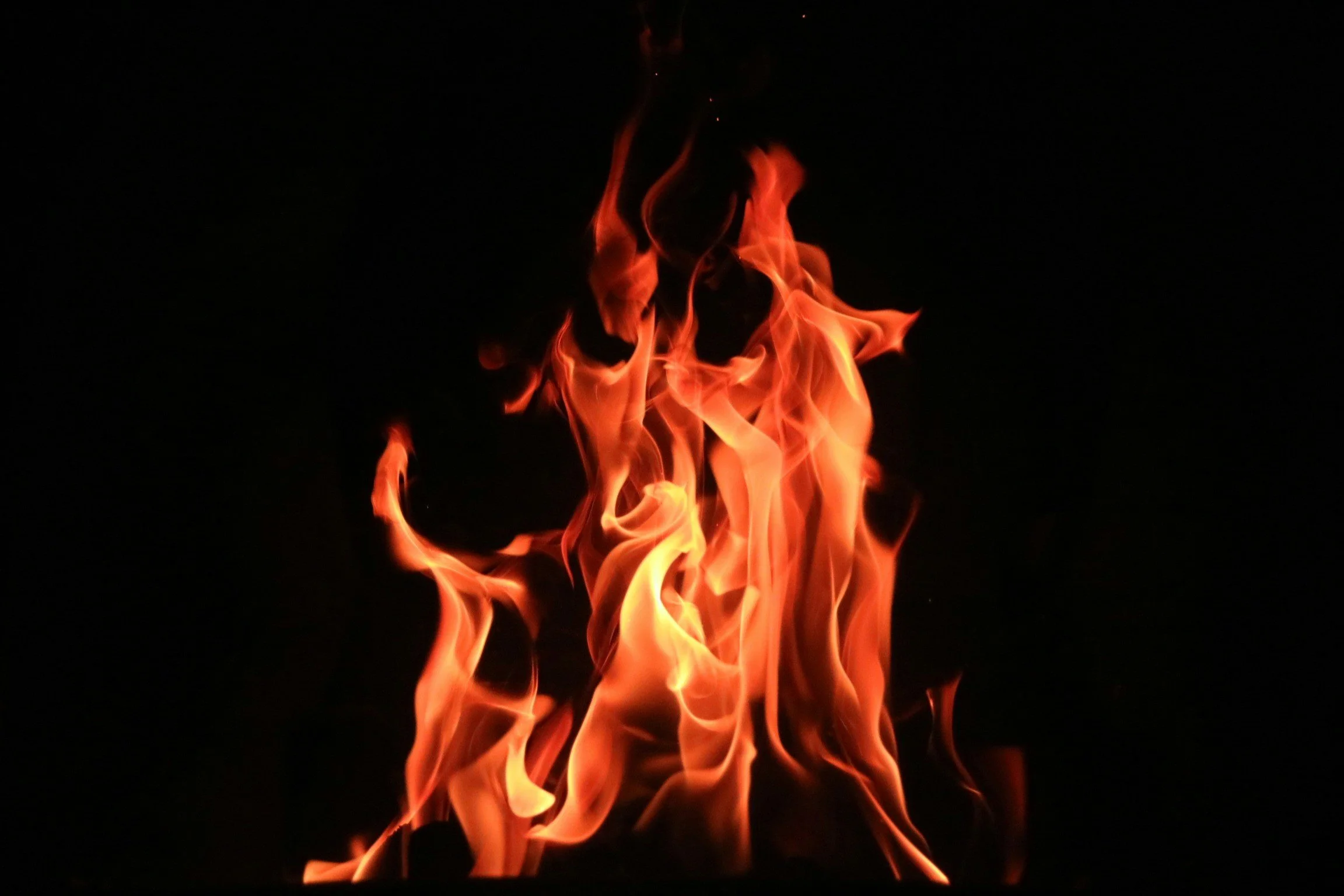
Letting Go
Find a quiet moment to tune in. Write down what you’re ready to let go of, a fear, habit, story, a limiting self belief or expectation. Then, either:
Safely burn the paper in a bowl, watching the flame transform what you no longer need or
Submerge the paper in a bowl or natural water and let the words dissolve and drift away.
Close with three slow breaths, feeling the space you’ve created and trusting the gentle power of letting go.
Journal
Where in my life am I trying to hold on too tightly?
How can I soften into trust?
What fears arise when I think about surrendering or letting go?
What does it feel like in my body when I am in flow versus when I am in resistance?
How might I invite more grace and flexibility into my routines, relationships, or mindset?
Movement
Flowing Vinyasa
This practice emphasizes fluid transitions and steady breath, inviting you to soften into surrender and move with the natural rhythm of your body. Each posture becomes an exploration of flow, presence, and inner ease. As you navigate the waves of your practice, you’ll be encouraged to trust yourself, your intuition, your pace, and your inner wisdom. This class is an invitation to let movement guide you back to your own steady center.
Meditation
River of Thoughts
This meditation guides you into a quiet inner landscape where your mind can soften and find ease. With the imagery of a flowing river, you’re invited to watch your thoughts drift by without judgment, grasping, or resistance. This practice helps you cultivate spacious awareness, reminding you that you are the steady presence on the riverbank, not the current itself.
Nourish
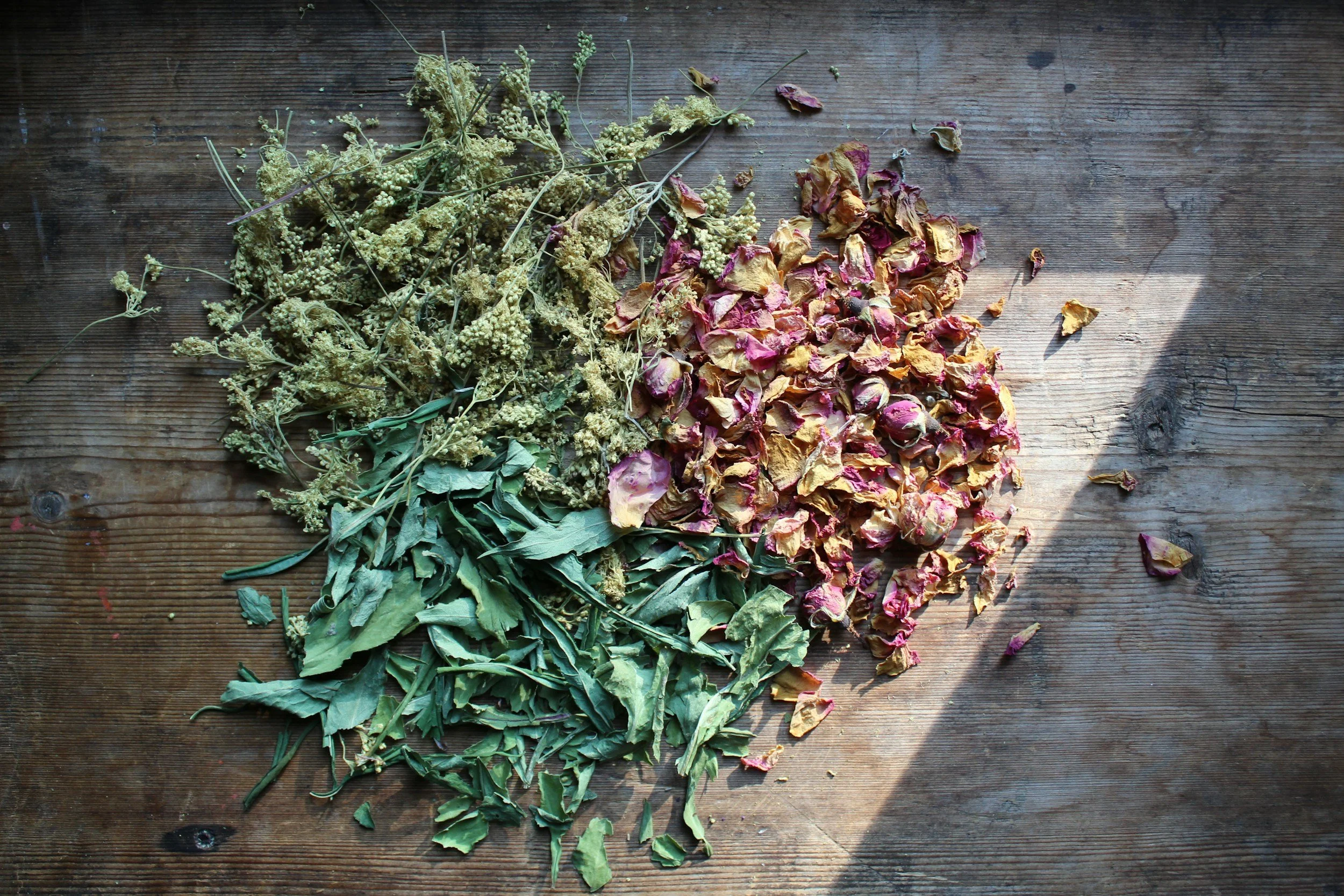
Lemon Balm & Rose Herbal Infusion
Ingredients
1 tablespoon dried lemon balm (or 2 tablespoons fresh)
1 tablespoon dried rose petals (food-grade; unsprayed)
1 teaspoon raw honey or maple syrup (optional)
1–2 cups hot water (just under boiling)
Instructions
Prepare your herbs. Add the lemon balm and rose petals to a heat-safe mug, jar, or teapot.
Pour and steep. Heat your water until hot but not boiling. Pour over the herbs and cover. This helps retain the delicate aromatics. Let steep for 10–15 minutes for a lighter infusion or 20–30 minutes for a deeper, more medicinal brew.
Strain and sip. Strain out the herbs, sweeten gently if you’d like, and enjoy warm.
For a stronger, heart-calming infusion: add herbs to a mason jar, fill with warm water, cover, and steep for 2–4 hours (or even overnight). The result is deeply soothing and grounding.
Ritual Tip
Sip slowly.
Let the lemon balm soften the edges of your nervous system, and allow the rose to open your heart just a little wider.
Breathe, receive, and return to yourself.